Understanding North Carolina Energy Code Requirements for Durham Homes
If you own a home in Durham, you're subject to North Carolina's energy code standards, which have evolved significantly in recent years. The state adopted the 2015 International Energy Conservation Code (IECC) with amendments, and these requirements set minimum insulation standards for new construction and major renovations. For homeowners planning to upgrade their attics, understanding these baseline requirements is essential before selecting an insulation solution.
The North Carolina energy code specifies different R-value requirements based on your climate zone and the part of your home being insulated. Durham falls within Climate Zone 4A, which means your attic insulation should meet an R-value of R-38 to R-49, depending on whether you're meeting the minimum standard or aiming for optimal efficiency. These requirements aren't arbitrary; they're designed to reduce energy consumption, lower utility bills, and minimize your home's environmental impact. Meeting or exceeding these standards also protects your home's structural integrity by preventing moisture buildup and thermal stress.
Spray Foam Insulation R Value Per Inch: Why Thickness Matters
One of the most common questions homeowners ask is: how thick should spray foam be? The answer depends on which type of spray foam you choose. Closed Cell Spray Foam Insulation delivers approximately 6.5 to 7.0 R-value per inch, making it highly efficient and requiring less thickness to meet code requirements. In contrast, Open Cell Spray Foam Insulation provides roughly 3.5 to 3.6 R-value per inch, which means you'll need greater thickness to achieve the same R-value rating.
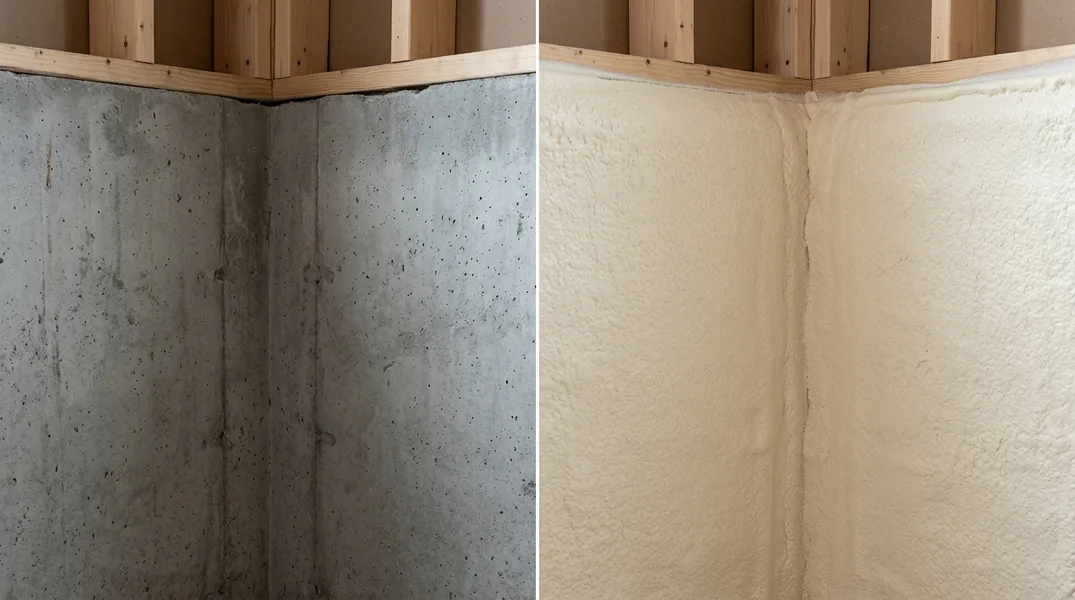
For a Attic Spray Foam Insulation project in Durham targeting an R-38 minimum, you would need approximately 5.5 inches of closed cell foam or roughly 11 inches of open cell foam. Closed cell foam's superior R-value per inch makes it the preferred choice for attics with limited space, while open cell foam offers a more budget-friendly option for larger cavities. Both types create an air-tight seal that traditional fiberglass batts cannot match, preventing air leakage and improving overall home performance. The choice between them depends on your budget, available space, and long-term energy savings goals.
Duke Energy Rebates and Incentives for Durham Homeowners in 2026
Duke Energy, the primary utility provider serving Durham, offers rebates and incentives designed to encourage homeowners to upgrade their insulation and improve energy efficiency. In 2026, Duke Energy's rebate programs continue to support qualified attic insulation projects, though specific incentive amounts and eligibility criteria can change annually. These rebates effectively reduce your out-of-pocket costs and accelerate your return on investment, making energy-efficient upgrades more accessible to families across the region.
To qualify for Duke Energy rebates, your insulation project must typically meet or exceed the North Carolina energy code requirements and be installed by a qualified contractor. Contact Durham Spray Foam Insulation today for a free estimate to learn whether your project qualifies for current rebate programs. We stay updated on Duke Energy's latest incentive offerings and can help you navigate the application process. The rebate amount varies based on the type of insulation, the R-value achieved, and your home's square footage, but many homeowners see rebates ranging from several hundred to over a thousand dollars. When combined with federal tax credits, these incentives can cover a significant portion of your upgrade costs.
Federal Insulation Tax Credit: How to Maximize Your 2026 Savings
Beyond Duke Energy's local rebates, the federal government offers an insulation tax credit under the Inflation Reduction Act, which extends through 2032. This credit allows eligible homeowners to claim up to 30 percent of the cost of qualifying insulation improvements, capped at $1,200 per year for attic insulation projects. The credit applies to both materials and labor, making it one of the most generous energy efficiency incentives available today.
To claim the insulation tax credit, your project must meet specific energy code standards and use materials that comply with Department of Energy guidelines. Most quality spray foam insulation products meet these requirements, but documentation from your contractor is essential for your tax filing. Keep all receipts, invoices, and certification documents from your Attic Spray Foam Insulation installation, as you'll need these when filing your taxes. The combination of the federal tax credit and Duke Energy rebates can reduce your actual project cost by 40 to 50 percent, transforming a significant home improvement into a highly affordable investment in your home's comfort and efficiency.
Attic Spray Foam Insulation Cost in Durham: What to Budget
The cost of spray foam insulation varies based on several factors, including the type of foam selected, the thickness required, your attic's size, and current market conditions. Closed cell spray foam typically costs more per square foot than open cell foam, but its superior R-value per inch often means lower total project costs when you factor in installation efficiency. On average, Durham homeowners can expect to invest between $2,000 and $6,000 for a typical residential attic, though larger homes or more complex installations may exceed this range. Understanding these costs upfront helps you plan your budget and evaluate the return on investment.
When evaluating pricing from different contractors, remember that the cheapest option isn't always the best value. Quality installation, proper R-value achievement, and use of premium materials ensure your insulation performs as intended for decades. Duke Energy rebates and the federal insulation tax credit significantly reduce your net cost, often making spray foam more affordable than traditional insulation methods. Call Durham Spray Foam Insulation at (984) 254-5400 to discuss your project and receive a detailed quote that accounts for available incentives and rebates.
R Value Requirements by State: How Durham Compares
North Carolina's R-value requirements for attic insulation align with national standards established by the International Energy Conservation Code. However, neighboring states and regions have different requirements based on their climate zones. Understanding where Durham stands helps you appreciate why your home's insulation matters and how your investment compares to other regions. The North Carolina requirement of R-38 to R-49 for attic insulation is moderate compared to colder climates like Minnesota or Vermont, which often require R-60 or higher, but exceeds requirements in warmer states like Florida or Arizona.
This regional variation reflects differences in heating and cooling seasons, humidity levels, and energy costs. Durham's subtropical climate with hot, humid summers and mild winters creates unique challenges that spray foam insulation addresses exceptionally well. Unlike traditional batts that can settle or absorb moisture, spray foam maintains its R-value over time and provides superior moisture resistance. Whether you're comparing your home to neighbors in Chapel Hill or considering how your Durham property compares nationally, investing in code-compliant or code-exceeding insulation protects your investment and ensures your home performs efficiently for years to come.
Looking for a professional spray foam insulation contractor in Durham? Durham Spray Foam Insulation responds fast for all your spray foam insulation needs.
Get a Free Quote